Betsy
Taxi DriverBetsy is a worker at Charles Palantine’s presidential campaign headquarters whose brief relationship with Travis Bickle exposes the gulf between his romantic idealization of her and her own choices. First seen through the taxi window as a beautiful, seemingly untouchable presence, she becomes the object of a courtship Travis frames as love and political fellowship. She eventually agrees to meet him, but ends the relationship after he takes her to a pornographic movie. Their last encounter is a chance taxi ride, courteous but unresolved.
Identity and First Impression
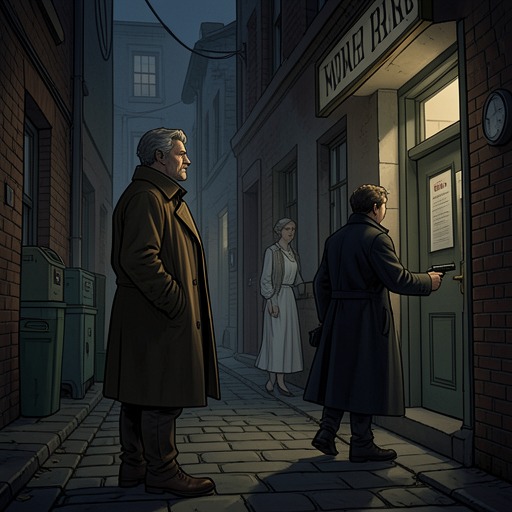
Betsy works at Charles Palantine’s campaign headquarters. Travis initially knows neither her name nor the details of her job; what he can see is her among the other campaign workers. He notices a man who talks with her often, whom he describes as a bespectacled, curly-haired figure with a younger-brother quality. Travis suspects the man likes Betsy more than she likes him, but this is his reading of a scene he watches from outside, not knowledge of their relationship.
That separation between observation and familiarity defines Travis’s first picture of her. He considers Betsy exceptionally beautiful, blonde, clean, and kind, and imagines her floating above the surrounding crowd. Their eyes sometimes meet through the window; she looks away or frowns at him. Rather than treating those gestures as a reason to leave her alone, Travis folds them into an image of a woman he believes he can understand without speaking to her.
Courtship at the Campaign Headquarters
Travis assigns Betsy an anniversary date: April 14, the date he remembers their first exchanged glances a week earlier near 58th Street and Broadway. At that point he still knows almost nothing about her, yet has already decided that he is in love and that she might be the woman with whom he could get along. The date records the beginning of his attachment, not a shared milestone.
He tries to compose notes for her, presenting himself as a working man who cares about the country’s future and wants to help Charles Palantine. The proposed message asks to talk and meet; another calls her beautiful and clean and asks whether they might be friends. These imagined introductions make his approach sound measured and civic-minded, but they also show how much of the relationship exists first as writing and rehearsal. He passes the headquarters between fares to look at her, while she has not yet agreed to a personal connection.
On April 27, Travis finally calls Betsy at the office. She agrees to go to a movie with him the following evening, his day off. The same day, he picks up Charles Palantine and two other well-dressed men while driving uptown. Recognizing Betsy’s employer in his taxi, Travis interrupts Palantine as he is discussing how to gather delegates in California. For Travis, the campaign has been both a political cause and the setting in which he watches Betsy; now those two parts of his interest briefly meet in the cab.
The Date and the Break
Betsy appears pleased to see Travis on the evening of their date. She is dressed elegantly in blue, and they walk down Broadway toward Times Square. Travis gives her a record, which she receives with evident enthusiasm, and she tells him he is unlike other people. He tries to draw physically closer as they walk, interpreting the evening’s warmth as an opening into greater intimacy. The scene is filtered through his own heightened sense of occasion: the city and the date seem almost unreal to him, while Betsy’s willingness to spend an evening together does not necessarily mean what he hopes it means.
The turning point comes when Travis takes her to a pornographic movie. The narrative later says he cannot remember why he did it or what led him to choose that theater. Afterward, Betsy heads toward the corner of 42nd Street and Broadway. Travis runs after her, offering to go to another movie and insisting that he does not mind what they see. In the crowd, she looks tense and close to tears. She tells him she wants to stop seeing him and that they are too different. Her refusal is direct; Travis initially responds as if the problem might still be the choice of film, rather than the breach of trust and judgment she is naming.
The breakup makes plain how sharply their understandings of the date diverge. Travis had treated the evening as proof that a private bond was forming. Betsy’s decision shows that her earlier friendliness and pleasure in the gift did not oblige her to continue the relationship. The account does not give her a long explanation of her feelings; instead, her boundary and departure carry the force of the scene. Travis’s later admission that he cannot remember why he took her to that movie further leaves the decisive choice opaque, even to him.
Travis’s Recollection and Self-Presentation
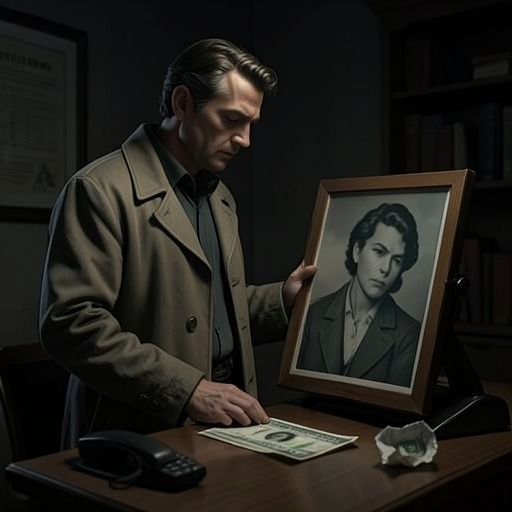
After the breakup, Travis writes increasingly disordered material in his journal and remembers losing his sense of time amid liquor and pills. He records a fantasy about being paid a Betsy Palantine, turning her name into the object of a possessive, transactional joke. The entry does not describe a renewed relationship; it shows how, after rejection, he recasts the woman he had pursued as something he might claim or possess.
At a campaign gathering, Travis composes a letter to his parents while Charles Palantine speaks. In it, he says that he has been dating a woman for several months, names her Betsy, and presents the secrecy of his supposed military work as the reason he cannot provide his address or further details. The letter is an account Travis invents for his parents, not evidence that Betsy has maintained a relationship with him for months. Its polished picture of a successful, attached son contrasts with the failed courtship and isolation shown elsewhere.
Later Encounter and Narrative Significance
After Travis’s later public violence, he returns to taxi work and eventually becomes known at the depot as Killer, a nickname that does not last. One evening outside The Plaza Hotel, Betsy hails his cab for a short ride to 56th Street. She recognizes him and talks with him about Charles Palantine, then asks how he is doing after hearing about what happened to him in the newspapers. Travis answers shyly and minimizes the incident. The meeting establishes that she can speak to him again, but it supplies no declaration of reconciliation or renewed romance.
Betsy’s part in the story is shaped by the unequal terms on which the pair meet. Travis watches her before knowing her name, decides what she represents, and interprets her appearance and attentiveness through his own longing. When she accepts a date, he treats it as confirmation; when she rejects him, he struggles to recognize the decision as final. Her brief but firm interventions—agreeing to meet, then ending the courtship—keep her from being only the idealized figure in his private story. The later taxi ride leaves their connection limited to recognition and conversation, not the intimacy Travis once imagined.